

Students explaining to the Stanbic and Start hub Africa judges how there products works
Students of Sumayya Girls’ School in Nsangi along Masaka highway are using the opportunity given to them through the Stanbic National Schools Championship (NSC), to come up with a practical product to guard against Urinary Tract Infection (UTI) for both males and females.
Currently, NSC teams of judges are finishing up their appraisal visits to the eight finalist schools across the country in the run-up to the Grand Finale, ‘Battle of Champions’ and announcement of the winners in Kampala on August 29. This year marks the 10 anniversary of the Championship.
According to Jamimah Kuteesa, a senior five student and the Finance and Administrative Officer for their school project, the Uro Care UTI detector, they realized a rising trend of infections among the girls at school.
She said, “UTI, if not detected quickly, is most likely to cause other complications, especially to the kidneys and future complications in giving birth to children. It is a rising problem among students in schools, but also people outside school.”
Kuteesa said they wanted to make a product that is cheaper for everyone to use and so decided to sell it at an affordable UGX 5,000. This compares with the expenses involved with having to firstly go for consultations, checkups and then treatment.
“At first, we wanted to make sanitary towels, but we then noticed very many people are making them and we decided to come up with something very unique that would combat UTIs among females,” Kuteesa said.
The team credits the NSC boot camp for sharpening their business and product development skills. “Our confidence and ability to scale the product came from the mentorship we received during the boot camp,” she said.
Hashim Mwangusa, the Sumayya Girls patron teacher, and an English teacher by training, admits he was amazed by the students’ scientific ingenuity.
“I don’t fully understand science, but these students have taught me that with the right mindset and teamwork, these children can achieve anything,” he said.
Mwangusa said he was also able to learn tools like the Business Model Canvas and financial feasibility analysis which he passed on to the students.
To ensure credibility of the product, Fatima Nyakwera, the school nurse, tested the device on several students and cross-checked the results with a local health centre. All the results were confirmed as correct.
She said, “I was impressed by its accuracy and it works for both females and males, which makes it even more valuable.”
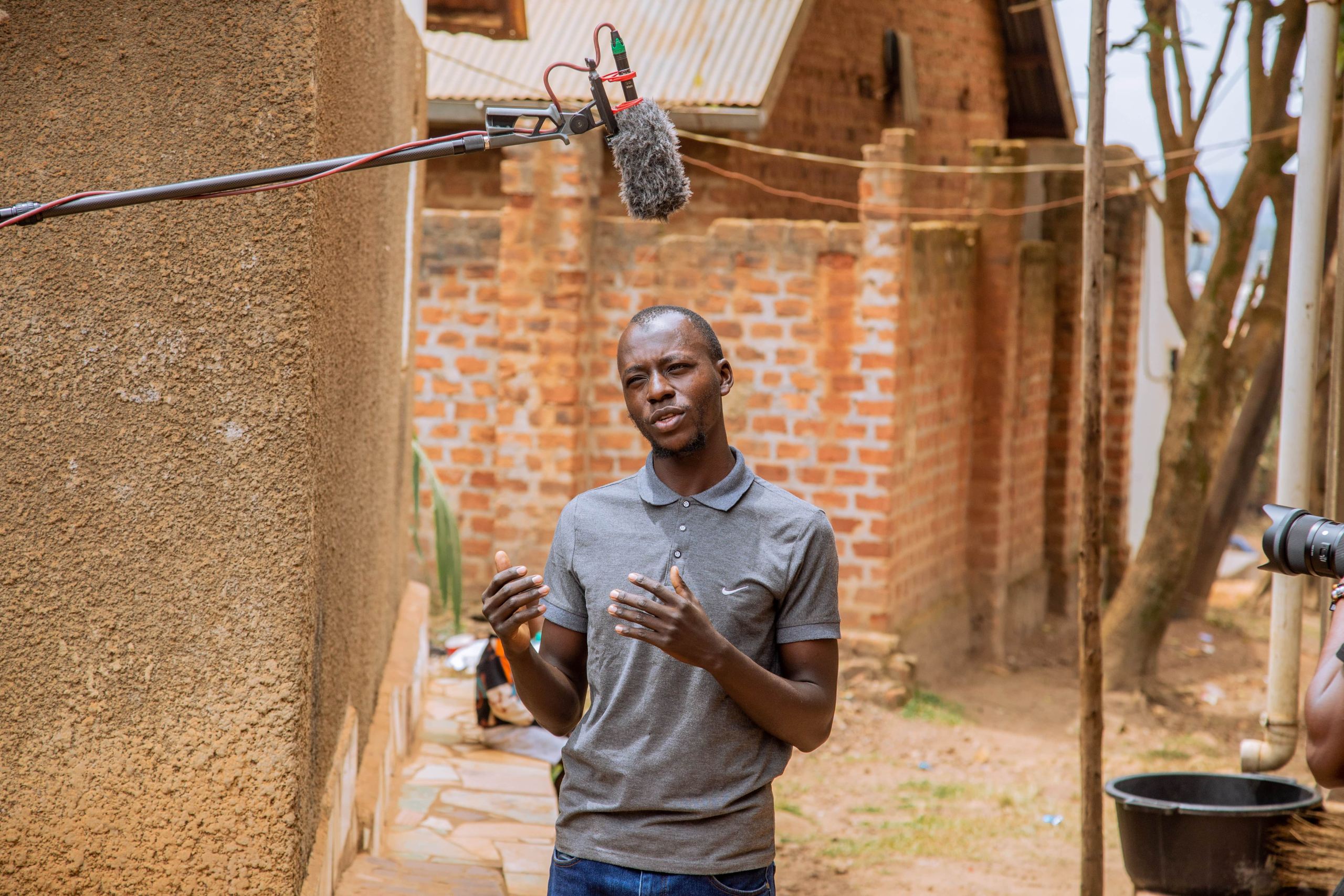
Sogafi Kisambwe, a farmer and client of Uro care UTI detector
The detector has since gained attention outside the school community where several people have tested themselves and it has worked for them including health facilities.
One of the first users, Sogafi Kisambwe, a farmer said with a smile, “I followed their guidance on how to use it, and fortunately my results were negative.”
The farmer commended the students for their great innovation and encouraged them to go ahead and to create greater impact on society.
Mwangusa said their project is proof that the new competence-based curriculum works best when paired with programs like the NSC. “NSC gives students real resources and a platform to think ahead and solve real problems. They are not just learning, but they are also impacting.”
He praised Stanbic Bank for supporting youth and encouraging them to be innovative and allowing them to dream beyond the class setting.
He said, “I want to extend my deepest gratitude to Stanbic Bank and Starthub Africa for giving us the opportunity to participate in such programs and commend them for their transparency. It was our first time to participate in the NSC and we can’t take it for granted that we managed to get to the grand finale. The competition is tight but we expect to win. If we managed to make it to the top eight, we will still make it to top winner.”
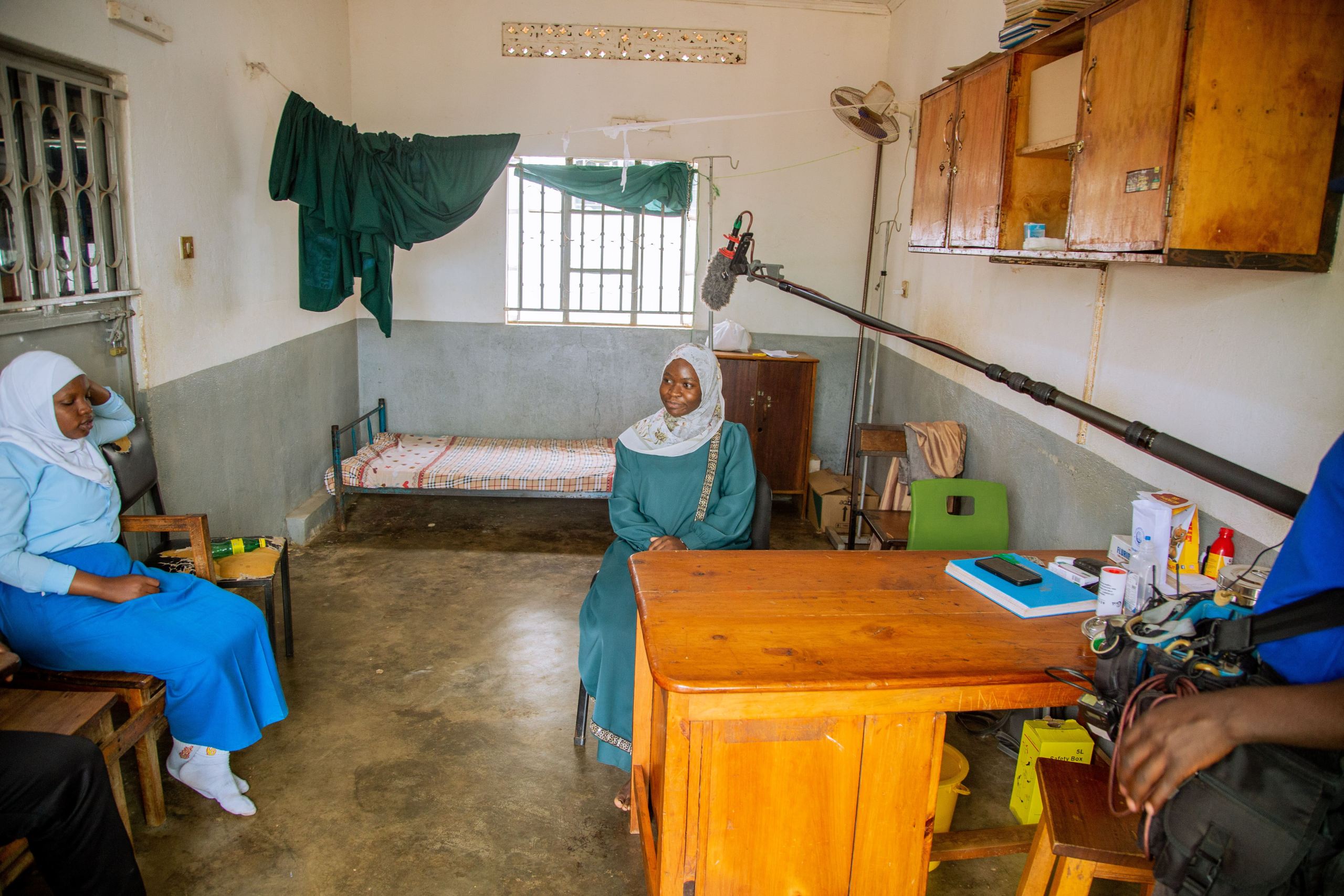
Fatima Nyakwera, a nurse at Sumayya Girls speaking about the product